
Top Waterproofing Products for Reliable Protection
Discover the most effective waterproofing solutions designed to safeguard your property from moisture and water damage.
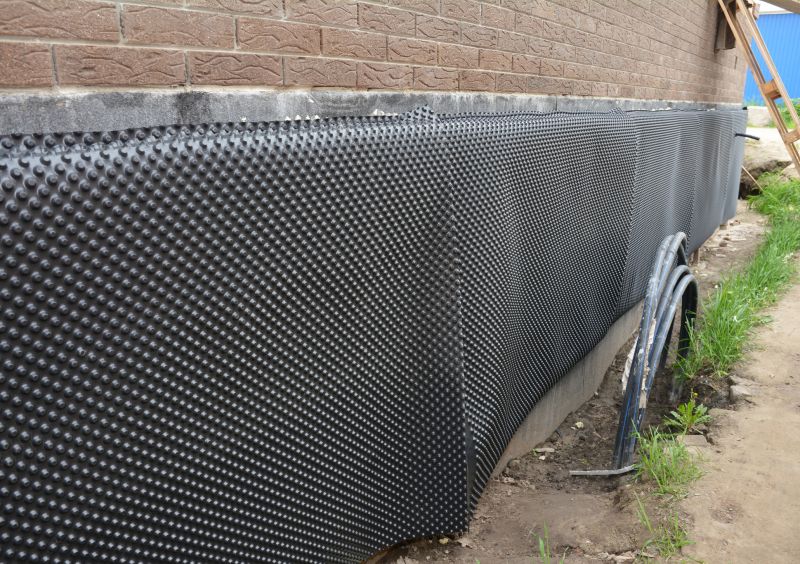 Waterproofing products are essential for protecting structures, foundations, and surfaces from water intrusion and damage. These products come in various forms, designed to suit different applications such as basements, roofs, decks, and outdoor surfaces. Proper selection and application of waterproofing materials can significantly extend the lifespan of a structure and prevent issues like leaks, mold, and deterioration. Whether for new construction or renovation projects, understanding the options available can help in choosing the most suitable solutions.
Top Overall Option
Multi-Purpose Waterproofing Membrane
A versatile waterproofing membrane designed for multiple applications including foundations, roofs, and decks. It offers a flexible, durable barrier that adheres well to various substrates and resists environmental stressors. Easy to apply with brush, roller, or spray methods, it provides a reliable layer of protection against water infiltration, helping to maintain structural integrity over time.
Types of Products For Waterproofings
Liquid Rubber Coatings
Flexible, seamless coatings suitable for roofs, basements, and ponds, providing a waterproof barrier that conforms to surface movements.
Bituminous Membranes
Self-adhesive or torch-applied sheets used primarily for roofing and foundation waterproofing, offering strong resistance to water and vapor.
Polyurethane Sealants
High-performance sealants used to fill cracks and joints, ensuring water tightness in various structures.
Cementitious Waterproof Coatings
Ready-mixed cement-based coatings suitable for concrete surfaces, providing a breathable, waterproof layer.
Sheet Membranes
Pre-formed sheets made of rubber, PVC, or other materials, ideal for foundation and roof applications where a continuous barrier is needed.
Waterproof Paints
Specialized paints that create a water-resistant coating on walls, ceilings, and exterior surfaces.
Crack Fillers and Sealants
Materials designed to fill and seal small cracks and joints to prevent water ingress.
Hydrophobic Sprays
Spray-on treatments that impart water-repelling properties to surfaces like concrete and brick.
Drainage Mats and Boards
Materials used underneath waterproof membranes to facilitate water drainage and prevent hydrostatic pressure buildup.
Waterproofing Tapes
Self-adhesive tapes used to seal joints, seams, and cracks in various waterproofing systems.
Roof Coatings
Specialized coatings designed to extend roof life and prevent leaks, often UV resistant and flexible.
Foundation Sealants
Sealants formulated specifically for sealing foundation walls and footings against water intrusion.
Waterproofing Cement Mixes
Cement-based mixes that can be applied to concrete surfaces to enhance water resistance.
Vapor Barriers
Materials installed to prevent moisture vapor transmission through walls and floors.
Popular Choices
Widely used for their ease of application and seamless coverage, suitable for various surfaces.
Commonly selected for roofing and foundation projects due to their durability and waterproof properties.
Popular for sealing joints and cracks in concrete and masonry structures.
Favored for their compatibility with concrete surfaces and ease of application.
Preferred for large-scale waterproofing projects on foundations and roofs for a continuous barrier.
Chosen for exterior walls and surfaces requiring a protective, water-resistant layer.
Essential for maintaining water tightness in aging structures or newly constructed joints.
Popular for treating surfaces like concrete and brick to repel water and stains.
Often used in foundation waterproofing to improve water drainage and reduce hydrostatic pressure.
Widely used for sealing seams and joints in various waterproofing systems.
Popular for extending roof lifespan and preventing leaks, especially in flat roof applications.
Commonly selected for sealing foundation walls against water infiltration.
Used in structural repairs and new concrete applications for added water resistance.
Frequently installed in basements and crawl spaces to reduce moisture vapor transmission.
Many waterproofing products are formulated to be durable, flexible, and resistant to environmental factors such as UV rays, temperature fluctuations, and moisture exposure. They often require careful surface preparation and application techniques to ensure optimal performance. Some products are designed for specific substrates like concrete, wood, or metal, while others are versatile and compatible with multiple materials. Regular maintenance and inspections can also help maintain the effectiveness of waterproofing measures over time.
In addition to traditional liquid membranes and sealants, there are also sheet membranes, coatings, and waterproof paints that can be applied over surfaces to create an effective barrier against water. Choosing the right product involves considering factors such as the location of application, expected water exposure, and the structural requirements. Consulting with professionals or thoroughly researching product specifications can aid in making informed decisions. Properly selected and applied waterproofing products can contribute to the safety, durability, and integrity of various structures in Lake Orion, MI, and beyond.
Key Buying Considerations
- Identify the specific area or surface that requires waterproofing to select the appropriate product type.
- Consider the environmental exposure, including UV rays, temperature variations, and moisture levels.
- Check compatibility of the waterproofing material with the substrate material such as concrete, wood, or metal.
- Assess the flexibility and durability needed based on the movement or settling of the structure.
- Review application methods—some products are easier to apply with brushes, rollers, or sprays.
- Determine if a seamless or sheet system is preferable for the project scope.
- Evaluate the drying and curing times to align with project timelines.
- Look into the longevity and maintenance requirements of the product for long-term performance.
- Ensure the product meets local building codes and standards applicable in Lake Orion, MI.
- Consider the level of water exposure—standing water, seepage, or intermittent moisture—when choosing a product.
- Review the manufacturer's instructions and safety precautions for proper application.
- Factor in the cost-effectiveness and coverage area of the product.
- Determine if additional surface preparation or primer is necessary before application.
- Check for compatibility with existing waterproofing systems or coatings if retrofitting.
- Select products with proven adhesion and resistance to environmental stressors relevant to your location.